 Thought Leadership
Rob Brown
Why the Environmental Story Isn’t Working and How It Needs to Change
For decades, cleaner air had been justified not just as an environmental ideal, but as a practical good; fewer hospital visits, healthier children, longer lives, and communities that function better when people can breathe easily. Very disappointingly, the US has now walked back its own commitments around air pollution in a move that is more than just a technical policy shift.
It reflects a wider way of thinking; one that is reshaping how environmental protection, climate action, and public health are discussed, justified, and, increasingly, sidelined. And it highlights a deeper challenge that the story we tell about environmental breakdown no longer aligns with how people experience the world, or how they make decisions.
Across much of the world, we are in a period of political and cultural retrenchment. Regulation is viewed with cynicism, expertise is questioned, and long-term thinking struggles to compete with short-term economic pressure. Environmental protection, whether climate mitigation, clean air standards, or ecosystem conservation, is proving to be one of the biggest casualties.
The US’ decision around air pollution is emblematic of this moment. By flipping its focus to compliance costs in complete disregard for health and social benefits, it reflects a worldview where prevention, resilience, and collective wellbeing are treated as optional extras rather than core economic assets. Environmental breakdown becomes something to manage at the margins, not a central factor shaping prosperity, stability and quality of life.
At the same time, public concern has shifted decisively toward “good for me” economics. People are grappling with rising living costs, insecure work, housing pressures and strained healthcare systems. Against this backdrop, appeals to protect the planet or save ecosystems for future generations can feel abstract.
This does not mean people do not care about nature or climate. It means the framing often misses the point. Clean air, safe water, fertile soils, stable weather and healthy ecosystems are not distant environmental ideals; they are the foundations of daily life. Yet environmental breakdown is still too often communicated as a moral obligation rather than a direct determinant of personal wellbeing.
When policies and narratives fail to make that connection explicit, they reinforce the idea that environmental action is a cost rather than a safeguard.
In 2026, environmental strategy must reckon with a simple truth; people are not moved by data alone. They are motivated by emotion, identity, and a sense of control over their lives. Climate change, biodiversity loss, and pollution are now widely understood, but understanding has not translated into openly supportive behaviours.
Instead, many people feel overwhelmed. Environmental breakdown appears vast, systemic, and largely out of reach for individual influence. Policy decisions like that of the EPA in the US, which seem to devalue human health and ecological protection, only deepen a sense that the system is stacked against meaningful change.
If environmental action is to regain momentum, it must restore a sense of relevance and meaning. People need to see how solutions show up in their lives now through cleaner neighbourhoods, safer food, healthier lives, not just in models or projections.
Environmental discourse has become heavy with warnings and for good reason. But a constant focus on catastrophe has its limits. Without a credible sense of progress or possibility, urgency turns into paralysis.
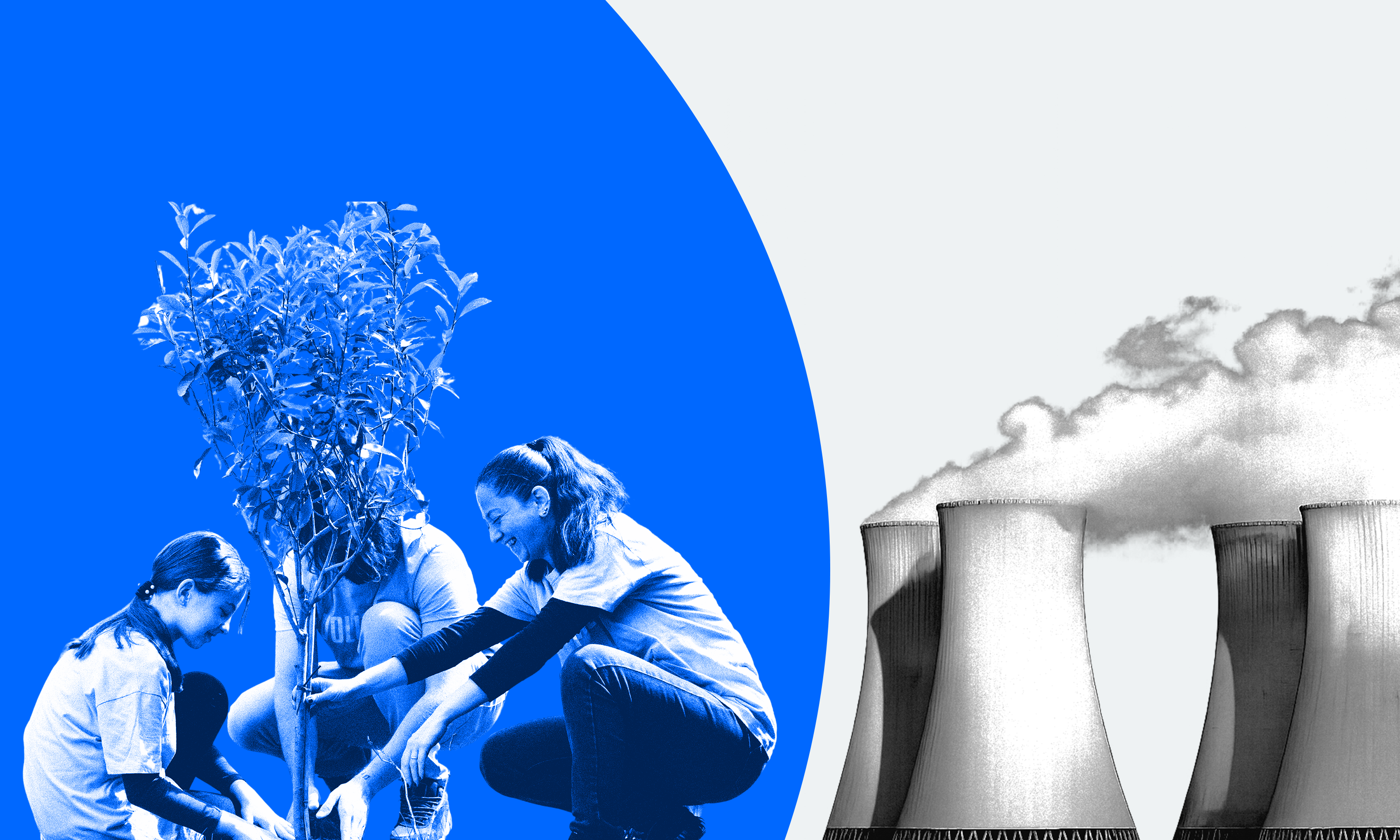
Optimism is not denial. It is a strategic necessity. It highlights what works, where systems are improving, and how environmental protection can enhance daily life rather than restrict it. Cleaner rivers, restored urban green spaces, healthier air, and more secure local food systems are powerful counterweights to despair.
Optimism also reframes environmental action as constructive rather than sacrificial. It reminds people that protecting natural systems is not about purely about giving things up, but about protecting what makes life livable.
Another shift is overdue. Environmental advocacy has long been led by scientists, policymakers, and international negotiators. Their role remains essential but they cannot carry the narrative alone.
People connect most strongly with voices they recognise; parents, workers, creators, local leaders, and yes, influencers. When environmental breakdown is discussed through everyday experiences such childhood asthma, unsafe drinking water, flooding streets, and disappearing green spaces, it stops being abstract and starts becoming real.
This is not about lowering the bar. It is about widening the circle. When ordinary people tell environmental stories in their own language, solutions feel closer, more credible, and more achievable.
Environmental breakdown cannot be addressed with narrow accounting or distant moral appeals. It must be framed as what it is, which is a direct threat to health, economic security, and social stability, while highlighting the profound opportunity to improve all three.
If momentum is to return, the environmental story must become more human, more grounded, and more hopeful. It must link clean air, stable climates, and healthy ecosystems to the things people already care about: their families, their finances, and their future.
The science is clear. The impacts are visible. What remains is to tell a story that people can see themselves in and believe is still worth fighting for.