 Thought Leadership
Rob Brown
From Spin to Substance: Reimagining PR and Advertising for Global Good
For more than a century, advertising and public relations have been among the most powerful forces shaping public opinion. They sell products, build reputations and create cultural consensus. But their influence has not always been positive. Looking back across the twentieth and early twenty-first centuries, many would argue that these industries have, at times, reinforced harmful behaviours and beliefs. By softening fears around tobacco, protecting fossil fuel companies from accountability, and influencing public support for wars, communications have sometimes prioritised short-term profit and political gain over transparency and societal well-being.
Yet, the story does not need to end in cynicism. The very same tools that have been used to mislead can also be used to inspire, empower, and restore. If recalibrated around principles of stakeholder capitalism, transparency and trust, communications can become critical drivers of a more sustainable and equitable world.
To illustrate my point, one only needs to look at those advertising and PR professionals whose work for Big Tobacco caused so much collective and individual damage. For decades, cigarette companies used advertising to glamorise smoking, linking it to sophistication, rebellion and even health. At the same time, PR campaigns cast doubt on the growing body of medical evidence that tied tobacco to cancer and heart disease. Slogans like “More Doctors Smoke Camels” exploited trust in authority to reassure the public that cigarettes were safe. The cost? Millions of preventable deaths, alongside a legacy of mistrust in health communications.
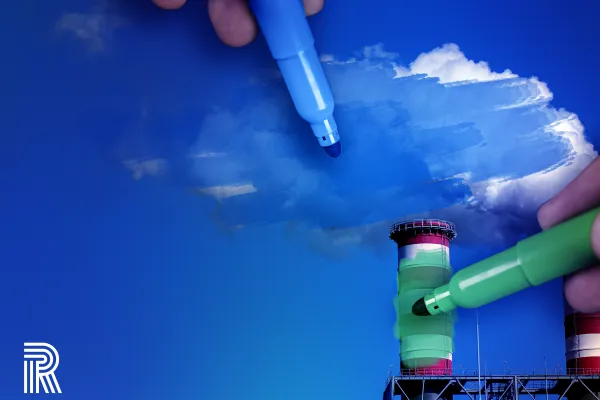
The fossil fuel sector borrowed directly from tobacco’s playbook. Beginning in the late 20th century, oil and gas companies invested heavily in advertising that positioned them as responsible energy providers, while some PR efforts raised doubts about climate science. Buzzwords like “clean coal” and glossy ads showcasing wind turbines and solar panels painted a picture of transition, even as the vast majority of investment remained in oil and gas. By shaping public discourse and political will, these industries delayed climate action during decades when swift change was most critical.
Advertising and PR have also played roles in geopolitics. From World War I propaganda campaigns to the carefully orchestrated media blitz leading up to the Iraq War, communications professionals have been instrumental in manufacturing consent for military interventions. By framing conflicts as moral imperatives and suppressing dissenting voices, these industries have influenced populations to support wars that often resulted in devastating humanitarian and economic consequences.
The cumulative effect of these manipulations is profound: declining public health, accelerating climate collapse, widespread political disillusionment and growing mistrust in institutions. Advertising and PR, once considered glamorous industries of persuasion, now face an existential crisis. Audiences are savvier, digital transparency makes cover-ups harder, and trust has become the most valuable currency in a fractured world.
But herein lies the opportunity. If professionals in advertising and PR pivot from serving narrow shareholder interests to supporting the broader stakeholder economy, they can play a central role in societal renewal.
Reimagining the Role of Communications
Traditional capitalism measures success primarily in terms of shareholder value, profits and returns. The stakeholder model expands the circle of importance to include employees, customers, communities, and the environment. This shift demands a new communications strategy. Instead of spinning harmful practices, companies will need to demonstrate real accountability. Advertising and PR can amplify these efforts, helping to articulate how organisations contribute positively to society and the planet.
Watch as transparency becomes the new persuasion. The future of communications is less about glossy slogans and more about radical transparency. Consumers and citizens want to know not only what companies are doing but the how and why. PR professionals who embrace openness. acknowledging flaws, admitting mistakes and communicating clear steps toward improvement will help rebuild trust. Advertising, in turn, can shift from manufacturing desire for the unnecessary to celebrating genuine progress and innovation.
In an era where misinformation spreads faster than truth, trust is fragile but indispensable. Brands and governments that consistently tell the truth, even when it is inconvenient, will cultivate resilience. PR practitioners can guide leaders through difficult conversations, about climate sacrifices, responsible consumption, and long-term trade-offs, in ways that invite participation rather than impose spin. Advertising can create narratives that normalise sustainable living, equitable economies, and shared responsibility.
Patagonia has built its brand not by selling more clothes, but by promoting a philosophy of environmental responsibility. Its campaigns often urge consumers to buy less, not more; a radical departure from the traditional logic of advertising. The company’s famous “Don’t Buy This Jacket” campaign highlighted the environmental cost of production and encouraged consumers to repair, reuse or recycle their gear.
Patagonia’s PR strategy also embodies transparency. It openly reports on supply chain challenges, labour issues, and environmental impacts, while funding grassroots activism through its “1% for the Planet” pledge. By aligning brand storytelling with genuine purpose, Patagonia demonstrates how communications can encourage sustainable consumption rather than overconsumption.
Danish energy company Ørsted provides another powerful example. Once one of Europe’s most coal-intensive energy producers, Ørsted has rebranded itself as a global leader in offshore wind. Advertising and PR played a crucial role in communicating this transformation, not as greenwashing but as a documented business pivot. Through transparent reporting and campaigns showcasing wind power as a source of national pride, Ørsted reframed its identity. The company’s story demonstrates how communications can shift narratives about entire industries, from destructive dependence on fossil fuels to clean energy innovation. Ørsted’s messaging emphasises urgency, responsibility, and optimism, showing that corporations can reposition themselves without hiding from their past.
The irony is striking: the very disciplines that once glamorised cigarettes and shielded fossil fuel companies could now become our best hope for change. If deployed ethically and strategically, communications can celebrate renewable energy transitions rather than fossil fuel expansion, humanise peace-building efforts rather than glorify war, and inspire consumers to embrace sufficiency rather than excess.
Advertising and PR sit at a crossroads. Their legacy is mixed, often perceived as manipulative or self-serving, yet also capable of immense influence for good. Their future could be one of clarity, responsibility and repair. By embracing the principles of the stakeholder economy, practising transparency, and building trust as their central asset, these industries have the potential not only to rehabilitate themselves but also to help steer humanity toward renewal. The question is not whether advertising and PR will continue to shape society; they always will. The question is whether they will choose to help us flourish, or risk repeating the mistakes of the past.