In medieval courts, power wasn’t just exercised by kings, it was preserved by chroniclers. Their job was simple: decide what future generations would remember. Victories were embellished and awkward chapters were hidden away.
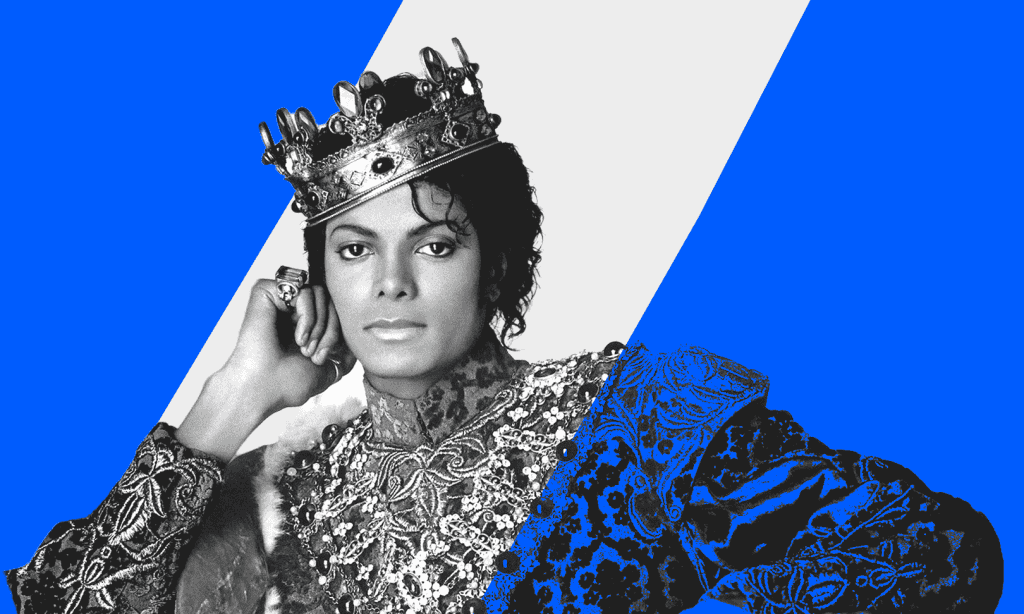
Watching Michael (Antoine Fuqua’s glossy, high-energy biopic of the King of Pop), I couldn’t shake the feeling that I was watching a modern version of that tradition. Michael Jackson wasn’t just a global superstar, he was pop royalty. And pop royalty, like the actual royalty before them, tend to acquire official histories.
Not a documentary. Not a prosecution or defence. But an authorised court chronicle, carefully shaped to establish the record.
As someone who works in reputation and communications, that reaction is hard to switch off. And as a fan (I think Jackson’s first three solo albums are one of the greatest three-album runs in music history) it made the experience even more interesting. I enjoyed the film for what it is: a parade of greatest-hits, bordering at times on a concert montage. But I also couldn’t help noticing the reputation management at work.
Authorised biopics are, by definition, exercises in narrative control. They don’t just tell a story – they select one.
What’s brought to the foreground matters. What’s compressed matters. And what’s quietly omitted matters most of all.
Michael keeps its story in a broadly sympathetic place. The emphasis is on talent, work ethic, creative ambition and spectacle. The camera stays on triumph rather than turbulence. The later years, where serious allegations, legal controversies and heavy reputational baggage dominate the public memory, are not given extended airtime.
This isn’t salacious, and it’s not clumsy. It’s strategic. From a reputation lens, the film is doing exactly what many organisations attempt when faced with a complicated legacy: anchor the narrative to strengths, minimise dwell time on unresolved or damaging chapters, and leave audiences with a clear emotional takeaway.
The risk, of course, is that audiences are not naïve. Even kings’ chronicles are read with a critical eye.
That sense of careful curation wasn’t accidental. Reporting suggests the film itself became a live reputation-management exercise. According to Variety, Michael underwent a significant overhaul, including reshoots and a revised third act, after legal and contractual constraints involving the Jackson estate meant controversial material could not be included as initially planned. The result was the removal of references to serious allegations that had been part of earlier drafts of the script.
From a communications perspective, this is a textbook example of how governance, legal risk and reputation intersect. Agreements shape narratives. Constraints force creative pivots. And what emerges on screen is not just art, but a negotiated position.
For organisations, this is familiar territory. Your brand story is rarely written by marketing alone. Legal, compliance, shareholders and legacy stakeholders all have a pen.
The film’s closing note is telling. Rather than finality, we get continuation. “His Story Continues.” That isn’t accidental either. Forbes reports that the studio hopes to make a follow-up, often referred to as “Michael 2”, and that the ending is designed to signal exactly that possibility.
From a reputation standpoint, this opens up a genuinely interesting question. A sequel would, by necessity, move further into the more complex and contested later years of the King of Pop’s reign. If that happens, does the chronicler’s tone change? Does the authorised history widen its lens? Or does the court remain carefully managed?
This is the long-game challenge of reputation management: what you defer today doesn’t disappear. It waits.
Beyond the film itself, Michael was supported by a full-spectrum communications campaign that would look familiar to any PR team. As Variety outlines in its marketing deep-dive, the release was treated as a cultural event: social-first content, fan-led amplification, high-profile premieres, experiential activations and deliberate “shareability” designed to mobilise an already devoted global community.
This wasn’t just about opening-weekend box office. It was about momentum, conversation and cultural impact. In reputation terms, the campaign worked to reinforce a dominant idea: Michael Jackson as an unmatched icon, not an unresolved question.
It’s hard not to admire the execution, even if you can see the mechanics whirring underneath the crown.
The takeaway here isn’t moral judgement. It’s strategic clarity.
Narrative control is powerful. Editing works. Authorised histories can stabilise reputations in the short to medium term. But over-sanitising carries long-term risk. Audiences, stakeholders and employees tend to trust stories that acknowledge complexity more than those that airbrush it away.
The best reputation strategies don’t pretend the difficult chapters don’t exist. They decide how to engage with them – proportionately, thoughtfully, and on their own terms.
Because if you don’t write your court chronicle carefully, someone else eventually will.
And if your reputation story is already being written for you, it might be time to ask who’s holding the pen.